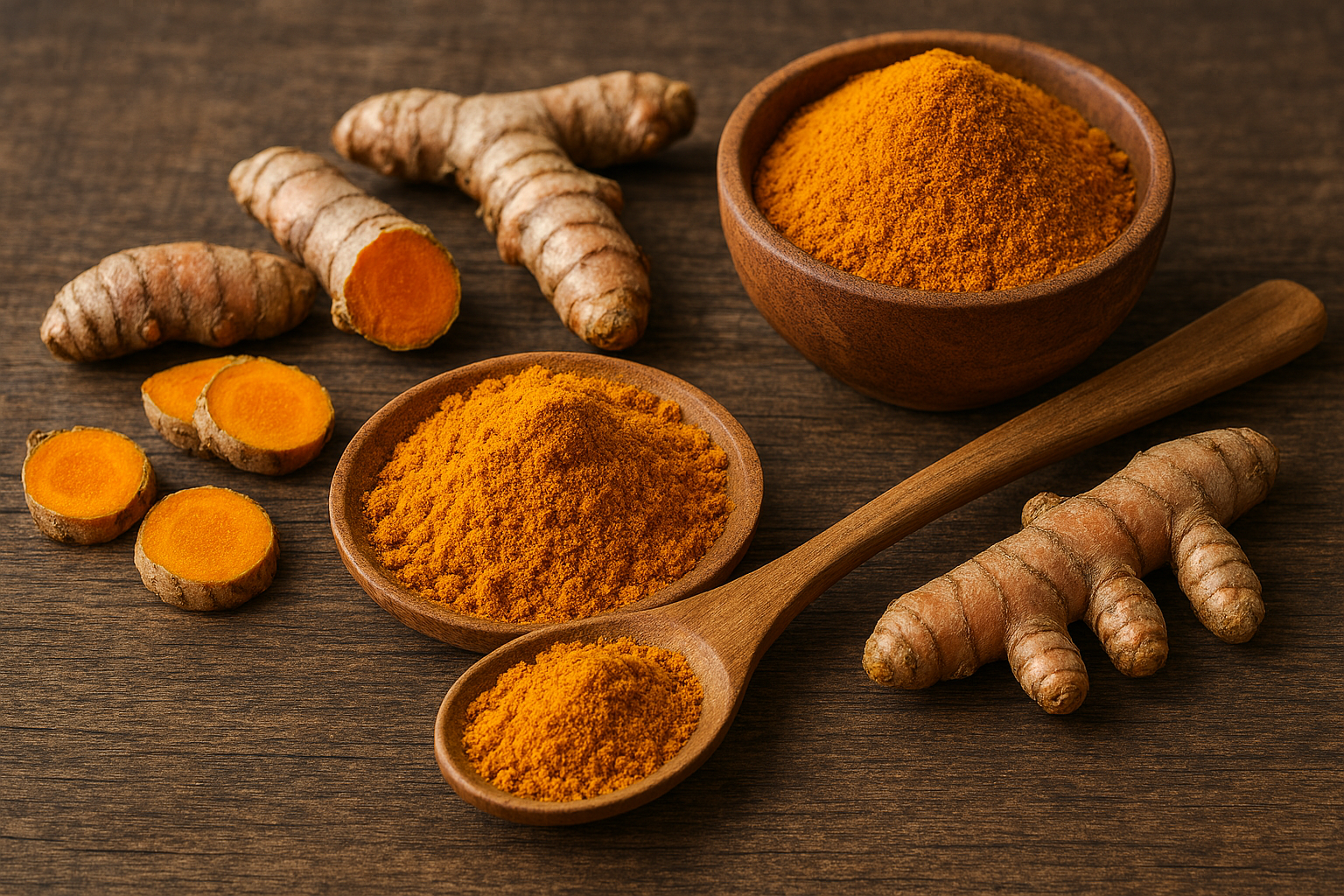
Turmeric has earned its place as a beloved herbal ally—warm, golden, and deeply rooted in traditional wellness practices. But like any herb or supplement, it’s important to understand both its benefits and its potential side effects. Here’s a grounded, easy-to-read guide to help your community stay informed.
✨ Why People Use Turmeric
Turmeric contains curcumin, a compound known for its anti-inflammatory and antioxidant properties. It’s commonly used for joint support, digestive comfort, mood balance, and overall wellness.
But even natural remedies can have drawbacks—especially in high doses or for people with certain conditions.
⚠️ Potential Side Effects of Turmeric
1. Digestive Upset
High doses of turmeric may cause:
- Acid reflux
- Nausea
- Diarrhea
- Stomach discomfort These effects happen because turmeric is not easily absorbed by the digestive tract.
2. Allergic Reactions
Some people may experience skin irritation or allergic contact dermatitis when using topical turmeric or handling turmeric powder. Symptoms may include redness, itching, or rash.
3. Increased Bleeding Risk
Turmeric can act as a natural blood thinner. This may increase bleeding risk—especially for people taking blood-thinning medications or supplements like aspirin, warfarin, or ginkgo biloba.
4. Gallbladder Concerns
Curcumin can cause the gallbladder to contract. This may be helpful for some, but for people with gallstones or gallbladder disease, it may worsen symptoms or cause discomfort.
5. Kidney Issues (Rare but Serious)
Turmeric contains oxalates, which can contribute to kidney stone formation in sensitive individuals. Very high intake has been linked to rare cases of oxalate nephropathy, a serious kidney condition.
6. Iron Absorption Interference
Large amounts of turmeric may reduce the body’s ability to absorb iron, potentially contributing to anemia in those already at risk.
🌼 A Gentle Reminder
Turmeric is generally safe for most people when used in culinary amounts or taken in moderate supplement doses. But if you have underlying health conditions, take medications, or plan to use turmeric therapeutically, it’s wise to check in with a healthcare professional.